
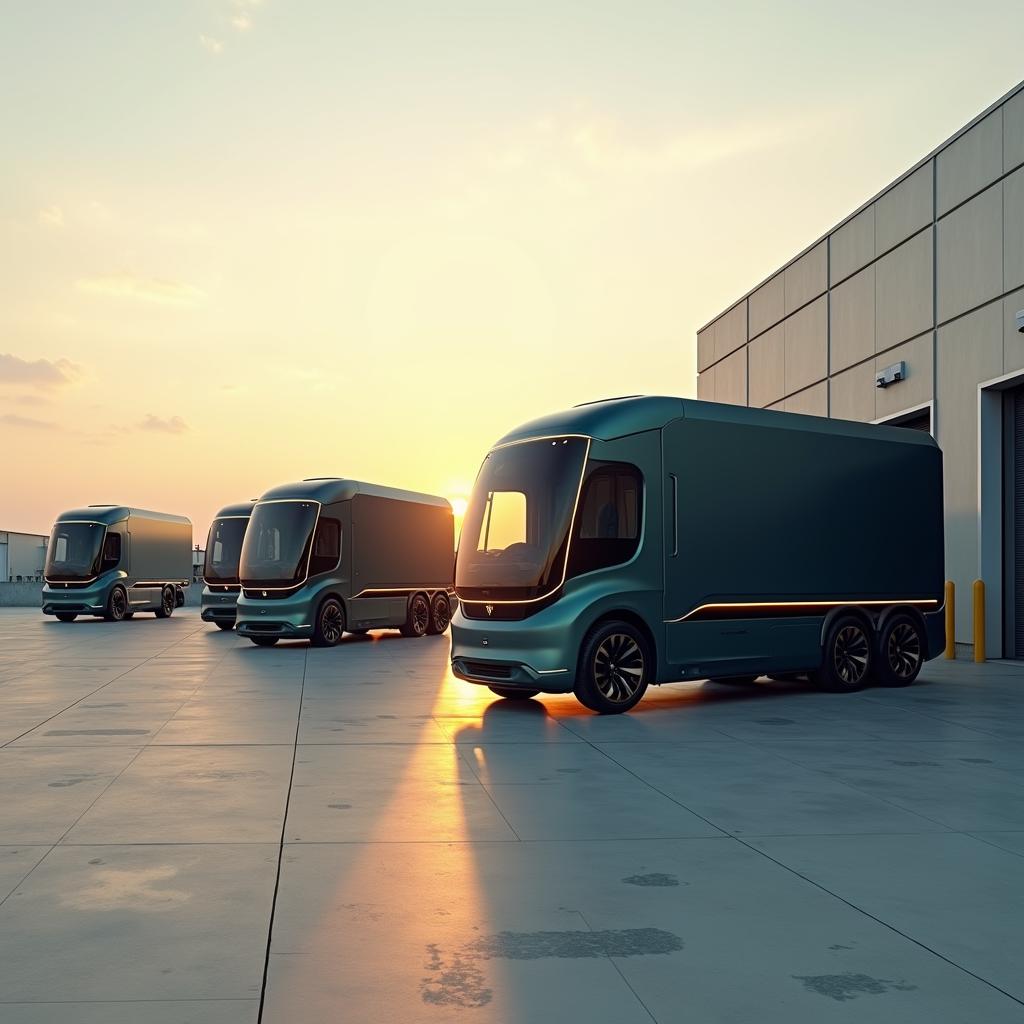
In the ever-evolving landscape of logistics and transportation, road transport companies are the backbone that keeps global commerce moving. As we head into 2025, the industry is witnessing unprecedented transformation driven by technological advancements, sustainability initiatives, and changing consumer demands. The companies leading this charge are not merely surviving these changes—they’re thriving by embracing innovation and setting new standards for efficiency, reliability, and environmental responsibility.
The road freight industry, valued at over $3.1 trillion globally, continues to grow despite challenges from alternative shipping methods. The most successful players in this space have demonstrated remarkable adaptability, investing in electric and autonomous vehicles, advanced logistics software, and comprehensive sustainability programs that address the increasing concerns about carbon emissions in transportation.
This comprehensive analysis examines the frontrunners in the road transport sector for 2025, exploring what sets them apart, the technologies they’re leveraging, and how they’re reshaping the future of logistics. Whether you’re a business looking for a reliable shipping partner, an investor eyeing opportunities in the transport sector, or simply curious about the forces driving modern logistics, this guide offers valuable insights into the companies leading the pack.
The Transformation of Road Transport: Key Trends Shaping 2025’s Leaders
Before diving into the specific companies dominating the road transport industry, it’s essential to understand the major forces reshaping the sector. These trends not only highlight what makes the leading companies successful but also provide a roadmap for what to expect in the coming years.
Electrification and Alternative Fuels
The push toward zero-emission fleets has accelerated dramatically. According to a McKinsey & Company report, electric trucks are expected to account for 30% of new heavy-duty truck sales by 2030. Leading road transport companies have already begun transitioning significant portions of their fleets to electric vehicles (EVs) or those powered by hydrogen fuel cells.
This shift isn’t merely environmental virtue signaling—it’s increasingly making economic sense. With battery technology improving and costs decreasing, the total cost of ownership for electric trucks is becoming competitive with diesel, especially when factoring in government incentives and lower maintenance requirements.
Autonomous Driving Technology
While fully autonomous long-haul trucking hasn’t yet achieved the widespread adoption once predicted, significant progress continues. Leading transport companies are implementing various levels of autonomy, from advanced driver assistance systems (ADAS) to limited self-driving capabilities in controlled environments.
These technologies not only address the persistent driver shortage problem but also improve safety and efficiency. Companies investing heavily in autonomy today are positioning themselves as tomorrow’s industry leaders.
Digital Transformation and AI-Powered Logistics
The most innovative commercial freight carriers are leveraging artificial intelligence and machine learning to optimize every aspect of their operations. From predictive maintenance that reduces downtime to route optimization that saves fuel and time, digital tools are creating competitive advantages that were unimaginable just a few years ago.
Real-time tracking, digital documentation, and automated logistics management have become standard offerings among industry leaders, providing transparency and efficiency that customers increasingly demand.
The Dominant Players: 2025’s Top Road Transport Companies
After analyzing performance metrics, technological innovation, sustainability initiatives, and growth trajectories, several companies stand out as clear leaders in the road transport industry as we move through 2025.
XPO Logistics: The Digital Transformer
XPO continues to lead through its extraordinary commitment to technology. Having invested over $3 billion in technology initiatives since 2020, XPO has developed proprietary platforms that optimize nearly every aspect of freight transportation.
Their XPO Connect™ platform has evolved into one of the industry’s most sophisticated digital freight marketplaces, using machine learning to match capacity with demand in real-time. This digital-first approach has allowed XPO to maintain industry-leading operating ratios while providing exceptional service reliability.
Notable achievements include:
- Reduction of empty miles by 18% through AI-powered load matching
- Deployment of over 1,500 electric trucks across North America and Europe
- Implementation of augmented reality technology for loading efficiency and damage reduction
XPO’s focus on last-mile delivery has also positioned them perfectly for the continued e-commerce boom, with specialized handling capabilities for heavy goods that many competitors can’t match.
Maersk Transport & Logistics: The Integrated Solutions Provider
While known primarily for container shipping, Maersk has transformed into an end-to-end logistics provider with an impressive road transport division. Their integration of sea, air, and land transportation creates seamless supply chains that few competitors can replicate.
Maersk’s road transport segment has grown substantially through strategic acquisitions and internal development, now operating one of the largest fleets of carbon-neutral trucks in Europe. Their commitment to be completely carbon neutral by 2040 includes aggressive targets for their road transport operations.
What sets Maersk apart is their integrated digital ecosystem that provides customers with unprecedented visibility and control across multiple transport modes. Their TradeLens platform, built on blockchain technology, has revolutionized documentation and tracking across the supply chain.
DHL Supply Chain: The Sustainability Pioneer
DHL continues to lead through its aggressive GoGreen program, which has resulted in one of the cleanest fleets in the industry. With over 40% of their vehicles now running on alternative fuels or electricity, they’ve established themselves as the partner of choice for environmentally conscious shippers.
Their road freight division has particularly excelled in:
- Development of proprietary routing software that has reduced fuel consumption by 15%
- Implementation of the industry’s most comprehensive driver training program for eco-driving
- Creation of innovative city logistics solutions for zero-emission last-mile delivery
DHL’s commitment extends beyond their own operations—they’ve developed a comprehensive program to help clients reduce their supply chain emissions, creating shared value throughout the logistics ecosystem.
TFI International: The Strategic Consolidator
TFI International has emerged as a powerhouse through strategic acquisitions and operational excellence. Their disciplined approach to integrating acquired companies while maintaining specialized services has created a uniquely diversified long-haul trucking service portfolio.
Following their transformative acquisition of UPS Freight (now TForce Freight), TFI has focused on optimizing cross-border operations between the US and Canada, establishing themselves as the dominant player in this crucial trade corridor.
Their focus on specialized, high-margin segments like dedicated transportation, specialized truckload, and last-mile delivery has resulted in industry-leading profitability and resilience against economic fluctuations.
Technological Innovations Driving Competitive Advantage
The leading road transport companies of 2025 aren’t simply adopting new technologies—they’re pioneering them. Several key innovations are creating significant competitive advantages for these industry leaders.
Advanced Fleet Management Systems
The integration of IoT sensors, telematics, and AI-powered analytics has transformed fleet management from a reactive to a proactive discipline. Leading companies now deploy systems that monitor dozens of vehicle parameters in real-time, predicting maintenance needs before breakdowns occur.
These systems typically include:
- Predictive maintenance algorithms that analyze engine performance data
- Driver behavior monitoring and coaching for safety and efficiency
- Environmental condition monitoring to optimize vehicle performance
- Integrated compliance systems for hours of service and regulatory requirements
Companies like Schneider National have reported maintenance cost reductions of up to 30% and downtime reductions of 25% through these advanced systems, creating significant competitive advantages.
Dynamic Routing and Load Optimization
Gone are the days of static routes and simplified load planning. The industry leaders leverage sophisticated algorithms that consider hundreds of variables in real-time, including:
- Traffic conditions and weather forecasts
- Driver hours of service availability
- Fuel optimization across different vehicle types
- Backhaul opportunities to reduce empty miles
- Customer time windows and special handling requirements
According to Gartner’s research, companies implementing these advanced optimization systems have achieved cost reductions of 8-15% while improving on-time delivery performance by up to 20%.
Blockchain for Supply Chain Transparency
Leading transport providers are implementing blockchain technology to create immutable records of shipments, establishing unprecedented transparency and trust. This technology is particularly valuable for:
- Sensitive or high-value cargo requiring chain of custody documentation
- Cross-border shipments with complex documentation requirements
- Food and pharmaceutical products requiring temperature verification
- Sustainability reporting and carbon footprint verification
These blockchain implementations are moving beyond pilot programs to become standard offerings among the industry’s technological leaders.
Sustainability Initiatives: The New Competitive Battlefield
Environmental performance has transformed from a compliance issue to a critical competitive factor for road transport companies. The leaders in 2025 have embraced comprehensive sustainability programs that go far beyond simple carbon reduction.
Alternative Fuel Infrastructure Investment
Rather than waiting for public infrastructure to develop, leading companies are investing in their own alternative fuel networks. Companies like Ryder and J.B. Hunt have established partnerships with energy providers to develop proprietary charging and fueling stations for their electric and hydrogen fleets.
These investments not only support their own operations but often become revenue generators as they offer access to other fleet operators. This approach creates a virtuous cycle that accelerates the transition away from fossil fuels.
Circular Economy Initiatives
The most innovative players are implementing circular economy principles throughout their operations:
- Remanufacturing programs for vehicle components
- Tire recycling and retreading operations
- Second-life applications for vehicle batteries
- Packaging recovery and recycling services for clients
These programs not only reduce environmental impact but often create additional revenue streams and cost savings. Companies like DB Schenker have developed comprehensive circular economy programs that have become case studies in sustainable business practices.
Science-Based Emissions Targets
The leading freight transportation providers have moved beyond vague environmental commitments to science-based targets aligned with international climate goals. These companies typically:
- Set absolute emission reduction targets rather than intensity-based ones
- Include Scope 3 emissions in their reporting and reduction plans
- Submit to independent verification of their environmental performance
- Tie executive compensation to achievement of sustainability goals
This rigorous approach has allowed these companies to distinguish themselves in an increasingly environmentally conscious marketplace.
Customer Experience: The Ultimate Differentiator
While technology and sustainability are critical, the ultimate measure of success for road transport companies remains customer experience. The leaders in 2025 have reimagined the customer relationship through digital tools and service innovation.
Self-Service Digital Platforms
The most advanced companies now offer sophisticated self-service platforms that give customers unprecedented control over their shipments:
- Real-time rate shopping and capacity booking
- Dynamic appointment scheduling and modification
- Customizable tracking and notification settings
- Automated documentation and compliance management
- Integrated carbon footprint calculation and reporting
These platforms have transformed the customer experience from one of dependence on customer service representatives to one of empowerment and control.
Exception Management Excellence
While prevention is ideal, the true test of a transport provider is how they handle exceptions. The industry leaders have developed sophisticated exception management processes that:
- Identify potential issues before they impact service
- Communicate proactively with all stakeholders
- Present solution options rather than simply reporting problems
- Leverage AI to learn from past exceptions and improve future performance
This approach transforms potential service failures into opportunities to demonstrate value and build stronger customer relationships.
Conclusion: The Road Ahead for Transport Leaders
As we look at the landscape of road transport companies in 2025, it’s clear that the industry has entered a new era of innovation and competition. The leaders we’ve examined share several common characteristics: commitment to technological advancement, serious sustainability initiatives, and customer-centric business models.
The gap between these industry leaders and the rest of the field continues to widen, with technology and sustainability becoming the primary differentiators. Companies that have invested heavily in these areas are now reaping the rewards through improved efficiency, stronger customer relationships, and higher profit margins.
For businesses relying on road transport services, the message is clear: partnering with forward-thinking transport providers isn’t just about getting goods from point A to point B—it’s about gaining competitive advantage through more efficient, reliable, and sustainable supply chains.
As the industry continues to evolve, we can expect further consolidation, with the strongest players acquiring specialized capabilities and expanding their service portfolios. The future belongs to companies that can provide truly integrated solutions while continuing to push the boundaries of efficiency and sustainability.
Ready to transform your logistics operations with a leading road transport partner? Submit our consultation form today, and our team of transportation experts will analyze your unique requirements and recommend customized solutions to enhance your supply chain performance. Don’t let outdated logistics hold your business back—take the first step toward more efficient, sustainable, and reliable transportation today!